
-


Follow Us

 On Facebook
 On Flipboard
 On Twitter
 Free Newsletters
 On YouTube
NBA News / Yardbarker / 6 hours ago

Tyrese Haliburton hits game-winner as Pacers outlast Bucks
Tyrese Haliburton had 16 assists Friday night. At the game's biggest moment, he called his own number.
Washington Huskies News / Yardbarker / 8 hours ago

Kirk Cousins comments on Falcons' decision to draft QB Michael Penix Jr.
Even though they've committed to him for the next four years, the Falcons didn't consult their new franchise quarterback before picking Penix.
NHL News / Yardbarker / 4 hours ago

Rangers beat Capitals 3-1, take commanding 3-0 series lead
The New York Rangers are one game away from a sweep.



Los Angeles Lakers News / Larry Brown Sports / 8 hours ago

Darvin Ham explains why he will not bench D’Angelo Russell
Los Angeles Lakers coach Darvin Ham is not planning to repeat his D’Angelo Russell tactic from last year’s playoffs.
Baltimore Orioles News / Yardbarker / 9 hours ago
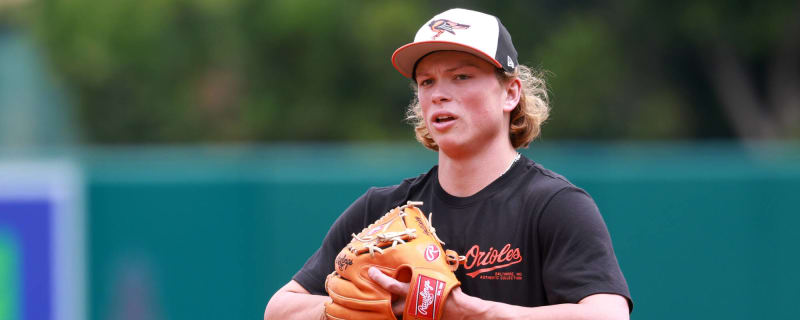
Orioles stud prospect's first taste of majors doesn't last long
Infielder Jackson Holliday's first cup of coffee in MLB didn't last long.
NBA News / Yardbarker / 9 hours ago
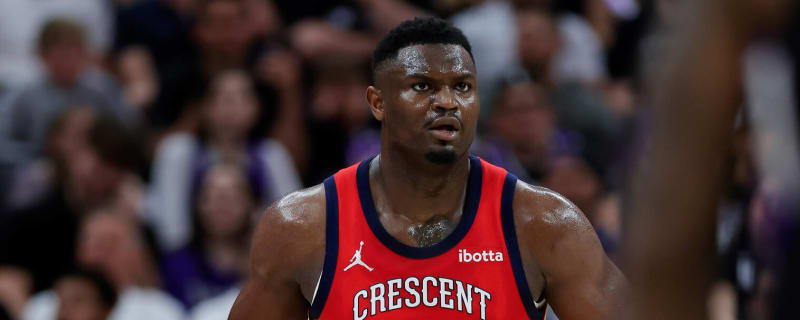
Pelicans' Zion Williamson could return during playoffs
Zion Williamson is currently dealing with a hamstring injury he sustained during the play-in tournament.
Cooper DeJean News / Pro Football Rumors / 7 hours ago

Eagles move up in draft to select another DB
The Eagles have moved up to No. 40, swapping places with the Commanders.
USC Trojans News / Yardbarker / 15 hours ago

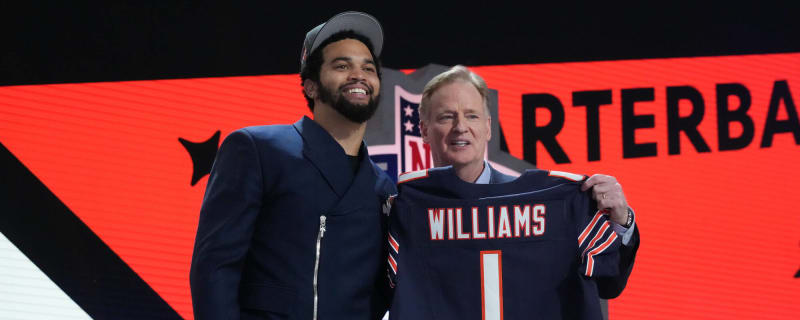
Caleb Williams embracing lofty, historic goals with Bears
The Chicago Bears are getting a confident, driven individual in QB Caleb Williams.
Ozzie Albies News / MLB Trade Rumors / 15 hours ago

Braves 2B makes speedy recovery from fractured toe
The Braves announced Friday that they’ve reinstated Ozzie Albies from the 10-day injured list.



Michigan Wolverines News / Larry Brown Sports / 8 hours ago

Juwan Howard returning to NBA as Eastern Conference assistant
It did not take Juwan Howard very long to find his next job after being fired by Michigan. Adrian Wojnarowski of ESPN reported Friday that the former UM coach is returning to the NBA.
Milwaukee Bucks News / Larry Brown Sports / 53 minutes ago

Bucks HC Doc Rivers shares alarming quote about Damian Lillard's injury
Lillard played in the overtime period, but he didn’t even attempt a shot for his Bucks.
NFL News / Yardbarker / 1 hour ago

Four players on the hot seat because of team's recent draft selections
While Atlanta Falcons quarterback Kirk Cousins shouldn't worry about losing his starting role anytime soon, these four players' seats are starting to heat up.
NFL News / Yardbarker / 1 hour ago
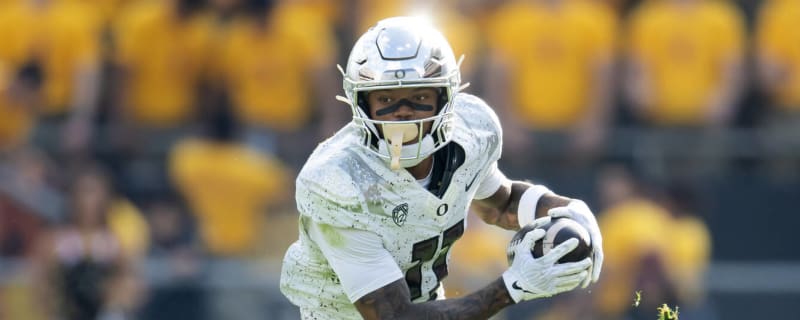
Best remaining players after Day 2 of 2024 NFL Draft
Here are the best remaining players following Day 2 this year.
NBA News / Yardbarker / 1 hour ago

Watch: Russell Westbrook, P.J. Washington ejected after heated exchange
Los Angeles Clippers star Russell Westbrook did not have a great night in Game 3 of their first-round series against the Dallas Mavericks on Friday.
MLB News / Yardbarker / 1 hour ago
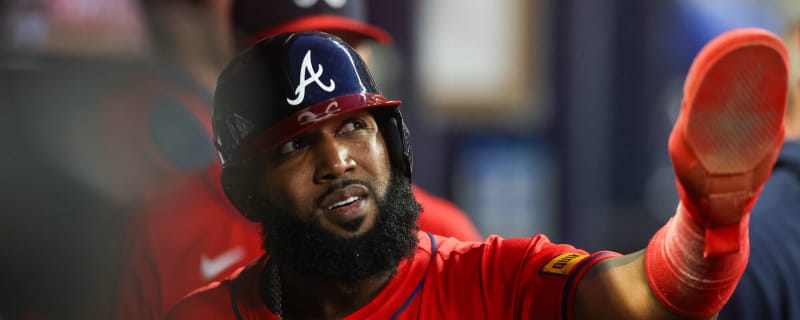
Braves use explosive offense to beat Guardians in clash of MLB titans
This weekend's series between the Atlanta Braves and Cleveland Guardians features the top team in both the American and National Leagues, but it was the home team that came out swinging in Friday night's heavyweight battle.


NBA News / Yardbarker / 49 minutes ago

Watch: Khris Middleton's clutch efforts not enough vs. Pacers
Khris Middleton made big shot after big shot. His shots in the fourth quarter and overtime were close to giving Milwaukee a series lead.
NFL News / Yardbarker / 4 minutes ago
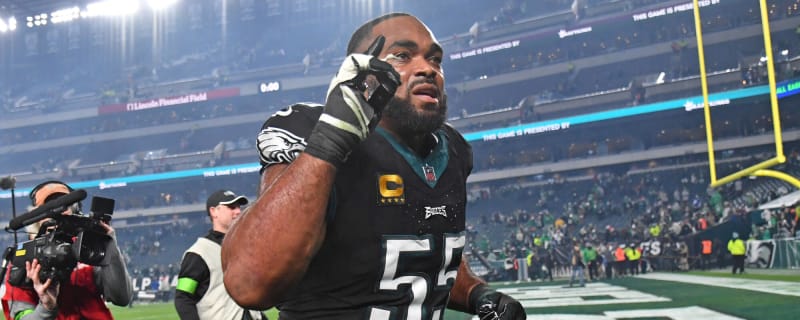
Watch: Eagles cornerstone blasts rival Cowboys before announcing second-round pick
Before announcing his team's pick, the one-time Pro Bowler took the opportunity to take a shot at the rival Dallas Cowboys.
NHL News / Yardbarker / 55 minutes ago

Watch: Rangers' Matt Rempe delivers thunderous, controversial hit
New York Rangers forward Matt Rempe has become a wildly popular player among the team's fans in a very short period of time.
NFL News / Yardbarker / 1 hour ago

Jim Harbaugh shares unfiltered thoughts on QB J.J. McCarthy's future with Vikings
Los Angeles Chargers HC Jim Harbaugh talked about QB J.J. McCarthy as though he had just drafted the Michigan signal-caller.
Florida State Seminoles News / Pro Football Rumors / 1 hour ago

With first pick of second round, Bills finally draft WR
At 6-foot-4, 220 pounds, he establishes a daunting presence that the AFC’s best will have to counter.
Miami Marlins News / MLB Trade Rumors / 3 minutes ago
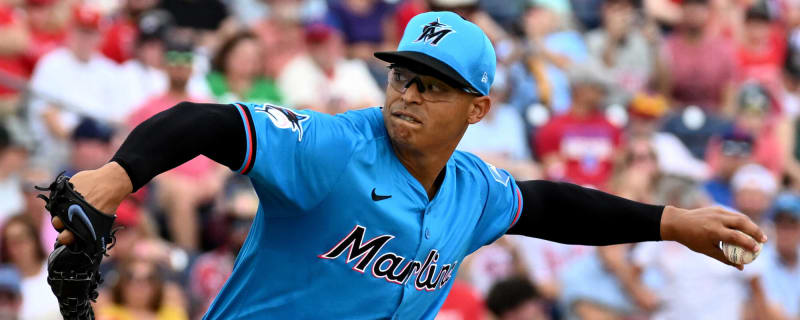
Yet another starting pitcher goes down with elbow discomfort
The Marlins announced Friday that lefty Jesus Luzardo has been scratched from his scheduled start and will undergo testing on his left elbow instead.



Wrestling News / Yardbarker / 49 minutes ago

Tony Khan continues to alienate fan base with latest low blow to WWE
With WWE gaining significant momentum, Khan has resorted to taking public shots at his competitor.
NBA News / Hoops Rumors / 17 minutes ago

Report: NBA, Amazon Prime Video nearing streaming-rights deal
The NBA has the framework of an agreement in place with Amazon Prime Video that will make the streaming giant one of the league’s primary homes beginning in 2025-26, reports Andrew Marchand of The Athletic.
NFL News / Yardbarker / 17 minutes ago

Biggest first-round snubs of the 2024 NFL Draft
Here are five players who probably should have gone in Round 1 but didn’t.
Philadelphia 76ers News / Yardbarker / 14 minutes ago

DeMarcus Cousins says Joel Embiid needs to 'come down in weight'
Joel Embiid has consistently struggled with injuries and conditioning, and DeMarcus Cousins sees a solution.
Alabama Crimson Tide News / Yardbarker / 1 hour ago

CB Terrion Arnold is just who the Detroit Lions needed
The Detroit Lions and Alabama CB Terrion Arnold have a peas/carrots kind of thing going on.
NFL News / Yardbarker / 1 hour ago
How did they do? Grading 2024 mock drafts from four of the top experts
Here is a look at how four top draft analysts fared in their first-round predictions.


Dallas Cowboys News / Yardbarker / 46 minutes ago

Roger Goodell speaks honestly about 18-game NFL season plan
NFL commissioner Roger Goodell discussed the poorly kept secret regarding the league's desire to eventually shift to an 18-game regular season.
Washington Huskies News / Yardbarker / 25 minutes ago

ESPN analysts disagree over Falcons drafting Michael Penix Jr.
The Falcons shocked the NFL world by drafting Michael Penix Jr., and the move has even pitted some analysts against each other.
NFL News / Yardbarker / 24 minutes ago

First-round NFL Draft picks who landed in the best and worst situations
Here are three players who landed in the best situation and three who landed in the worst.
Notre Dame Fighting Irish News / Yardbarker / 3 hours ago
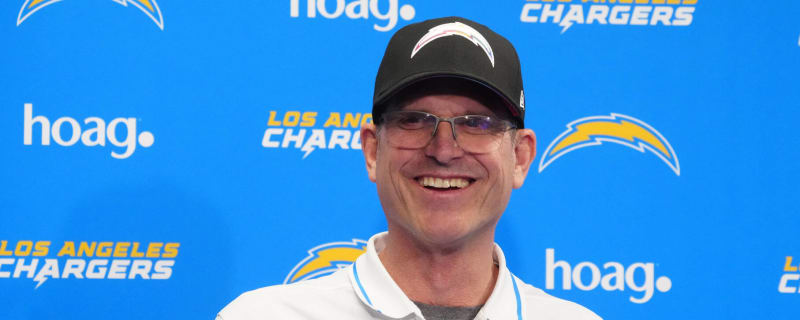
Chargers HC Jim Harbaugh channels Bill Walsh by drafting OT Joe Alt
Los Angeles Chargers HC Jim Harbaugh was positively beaming about Notre Dame T Joe Alt.
NBA News / Yardbarker / 6 minutes ago

Former Knicks guard calls out Joel Embiid for questionable play
Philadelphia 76ers center Joel Embiid was brilliant in Thursday's Game 3 win over the New York Knicks, but he had one very regrettable moment.
NBA News / Yardbarker / 11 hours ago

LeBron James as Lakers struggle: 'We're supposed to have anxiety'
The Lakers are teetering on the edge of being swept by the Nuggets, and LeBron James had some key words after the latest loss.


Buffalo Bills News / Yardbarker / 33 minutes ago

Bills GM doesn't regret trading back with Chiefs in first round of NFL Draft
The Bills made a stunning move on the first day of the NFL Draft, and their general manager doesn't regret it.
NFL News / Yardbarker / 14 minutes ago

A look at how the first round of the NFL Draft went for the NFC North
Here's a look at how the NFC North stacked up on the first day of the NFL Draft.
North Carolina Tar Heels News / Yardbarker / 38 minutes ago

Will Patriots start Drake Maye over Jacoby Brissett?
The Patriots' selection of Drake Maye on Thursday put the team's quarterback battle in the spotlight.
NFL News / Yardbarker / 12 hours ago
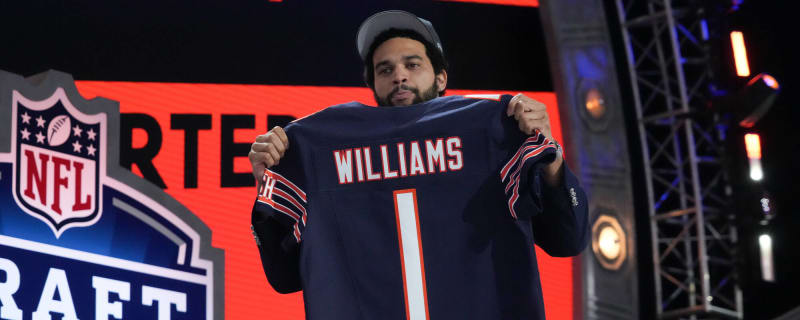
NFL futures: Let's overreact to the NFL Draft with three futures bets
Now that the first round of the NFL Draft is in the books, Yardbarker's NFL expert Griffin Carroll says the only thing to do is overreact to what happened and look to the futures market.
NBA News / Yardbarker / 24 minutes ago

Orlando Magic News / Yardbarker / 12 minutes ago

Magic end 13-year drought as Paolo Banchero makes history
The Magic had a blowout win over the Cavs on Thursday in Game 3 of their first-round series.


Breaking News
Customize Your Newsletter
 +
+
Get the latest news and rumors, customized to your favorite sports and teams. Emailed daily. Always free!
This site is protected by reCAPTCHA and the Google Privacy Policy and Terms of Service apply.


